
Ultimate Travel Guides for Every Destination

When planning a trip, one of the most crucial tools at your disposal is a travel guide. Whether you are heading to a bustling city or a remote village, a good travel guide can make all the difference. It provides insights into local culture, must-see attractions, and practical information that can help you navigate your destination with ease. In this blog, we will explore the various types of travel guides, their essential components, and tips on how to choose and use them effectively.
Types of Travel Guides
Online vs. Printed Guides
Travel guides come in many forms, but the two primary types are online and printed guides. Online travel guides have become increasingly popular due to their accessibility and convenience. With just a few clicks, you can find up-to-date information, reviews, and recommendations tailored to your interests. Websites and apps like TripAdvisor and Google Maps offer valuable insights that can help you create the perfect itinerary on the go.
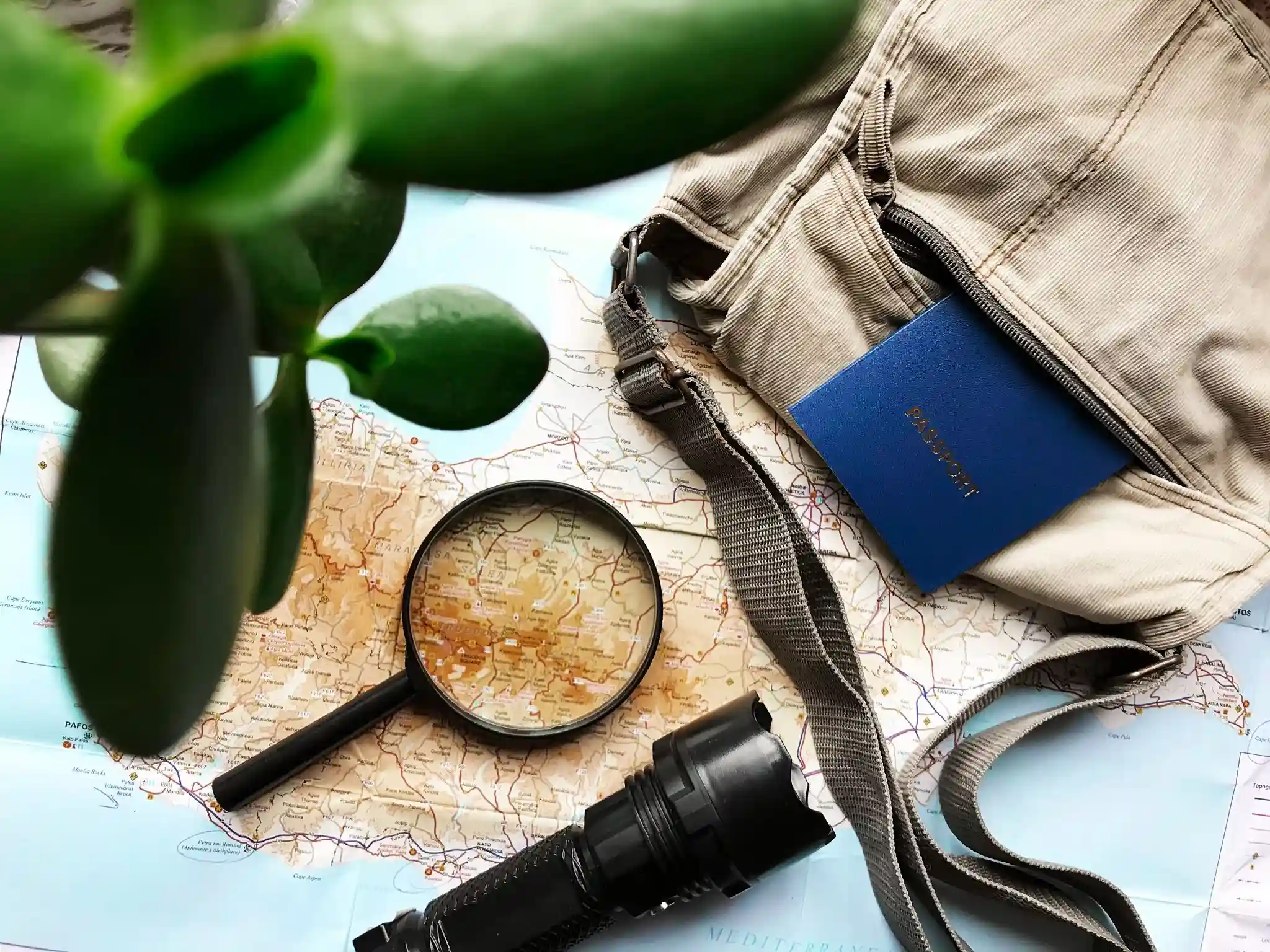
On the other hand, printed travel guides still hold a special place in many travelers’ hearts. These books often provide in-depth information and curated content that can be more reliable than online sources. They are particularly useful in areas with limited internet access. Printed guides can also serve as a tangible memento of your journey, filled with notes and memories from your travels. Ultimately, the choice between online and printed guides depends on personal preference and travel style.
Essential Components of a Travel Guide
Destination Overview
One of the most important components of any travel guide is a thorough destination overview. This section typically includes information about the history, culture, and geography of the place you are visiting. Understanding a destination’s background can enrich your travel experience, allowing you to appreciate its unique character and significance fully.
A good overview should provide insights into the local customs and traditions, making you a more culturally sensitive traveler. For instance, knowing about local festivals, etiquette, or even a few key phrases in the local language can enhance your interactions with residents and deepen your connection to the destination. This foundational knowledge sets the stage for a more immersive and enjoyable travel experience.
Practical Information
In addition to an overview, a travel guide should include practical information that is essential for navigating your destination. This includes details about transportation options, accommodations, and safety tips. Knowing how to get around, where to stay, and how to stay safe can alleviate stress and enhance your overall travel experience.
Transportation information should cover local public transit options, taxi services, and any relevant tips for driving in the area. Accommodations should feature a range of options, from luxurious hotels to budget-friendly hostels, along with price ranges and amenities. Safety tips can help you avoid potential pitfalls and ensure a smooth trip. This practical information is often the backbone of a good travel guide, helping you plan your itinerary effectively.
How to Choose the Right Travel Guide
Assessing Your Travel Style
Choosing the right travel guide starts with assessing your travel style. Are you a backpacker seeking adventure, or do you prefer the comfort of luxury accommodations? Understanding your preferences will help you find a guide that aligns with your travel goals. For instance, budget travelers may benefit from guides that focus on affordable options, while luxury travelers may prefer those highlighting high-end experiences.
Consider what kind of information you value most. If you love food, look for guides that emphasize culinary experiences and local dining spots. If you’re an outdoor enthusiast, seek out guides that highlight hiking trails and adventure activities. By selecting a guide that resonates with your travel style, you can enhance your experience and make the most of your journey.
Evaluating Guide Credibility
Not all travel guides are created equal, so evaluating their credibility is essential. Look for guides authored by reputable writers or organizations with a solid reputation in the travel industry. Guides that are frequently updated are also more reliable, as they reflect current information and trends.
Reading reviews can provide valuable insights into the guide’s effectiveness. Check online platforms or travel forums to see what other travelers have to say about a particular guide. This research helps ensure you choose a trustworthy resource that will enhance your travel planning process.
Creating Your Own Travel Guide
Researching Your Destination
If you prefer a more personalized approach, creating your own travel guide can be an exciting project. Start by researching your destination thoroughly. Use a mix of online resources, travel blogs, and books to gather information. This comprehensive approach ensures you cover all aspects of your trip.
Consider what you want to include in your guide. You might focus on must-see attractions, local dining spots, or off-the-beaten-path experiences. Don’t forget to add practical information like transportation options and safety tips. Creating your own guide allows you to tailor the content to your interests and needs, making your trip even more enjoyable.
The Future of Travel Guides
Trends in Travel Information Consumption
As technology continues to evolve, so does the way we consume travel information. Travelers are increasingly turning to digital platforms for up-to-date guidance. This trend has led to a rise in video content, with platforms like YouTube providing visual insights into destinations. Travelers now seek immersive experiences through vlogs that showcase local culture, food, and attractions.
Podcasts are also gaining popularity as a medium for travel information. Many travelers enjoy listening to podcasts featuring interviews with locals, travel tips, and destination highlights. As the demand for diverse content grows, travel guides must adapt to include various formats that cater to different preferences.
The Rise of User-Generated Content
User-generated content has become a powerful force in the travel industry. Social media platforms like Instagram and TikTok allow travelers to share their experiences and recommendations with a global audience. This shift has democratized travel information, enabling anyone to contribute valuable insights.
Travelers now rely on reviews and recommendations from their peers, often valuing this type of content more than traditional guidebooks. As a result, many travel guides are beginning to incorporate user-generated content, blending expert recommendations with real traveler experiences. This fusion creates a more comprehensive and relatable resource for travelers.
Tips for Using Travel Guides Effectively
Maximizing Your Guide’s Potential
To get the most out of your travel guide, approach it with an open mind and a willingness to explore. Use it as a starting point for your itinerary, but don’t be afraid to deviate from the recommendations. Sometimes the best experiences come from spontaneity and wandering off the beaten path.
Take notes on your guide, highlighting sections that resonate with you. Use sticky notes or bookmarks to flag important pages for easy reference. By actively engaging with your guide, you can create a personalized resource that enhances your travel experience.
Adapting to Changes on the Ground
Travel is often unpredictable, and plans can change. Be prepared to adapt your itinerary based on new information or recommendations you receive while on the ground. If a local suggests an incredible restaurant that isn’t in your guide, consider checking it out. Staying flexible allows you to discover hidden gems and create unforgettable memories.
Keep in mind that travel guides are not exhaustive resources. They provide a foundation, but your unique experiences will shape your journey. Embrace the unexpected, and you might find that the best moments are the ones you didn’t plan for.
Conclusion
Travel guides are invaluable resources that can enhance your travel experiences, offering insights and practical information for every destination. Whether you prefer online platforms, printed guides, or personalized creations, understanding the various types and components of travel guides is essential for effective trip planning. As you embark on your next adventure, remember that the right guide can lead you to unforgettable experiences and connections.
In a world where travel is increasingly accessible, embracing the wealth of information available can help you navigate new territories with confidence. So, whether you’re exploring a bustling city or a serene countryside, let travel guides be your trusted companions on your journey to discovery.
Frequently Asked Questions
What are the best travel guides for first-time travelers?
First-time travelers may benefit from comprehensive guides like Lonely Planet or Fodor’s, which provide detailed information on popular destinations and practical travel tips.
How can I create a personalized travel guide?
To create a personalized travel guide, research your destination using various sources, organize the information into clear sections, and include your notes and preferences.
Are online travel guides reliable for planning trips?
While many online travel guides are reliable, it’s essential to evaluate their credibility by checking author backgrounds, user reviews, and the frequency of updates.